Practical Answers to Fish Farming Problems
Understand common fish farming problems, learn what to check, and find practical guidance for healthier fish and better-managed systems.
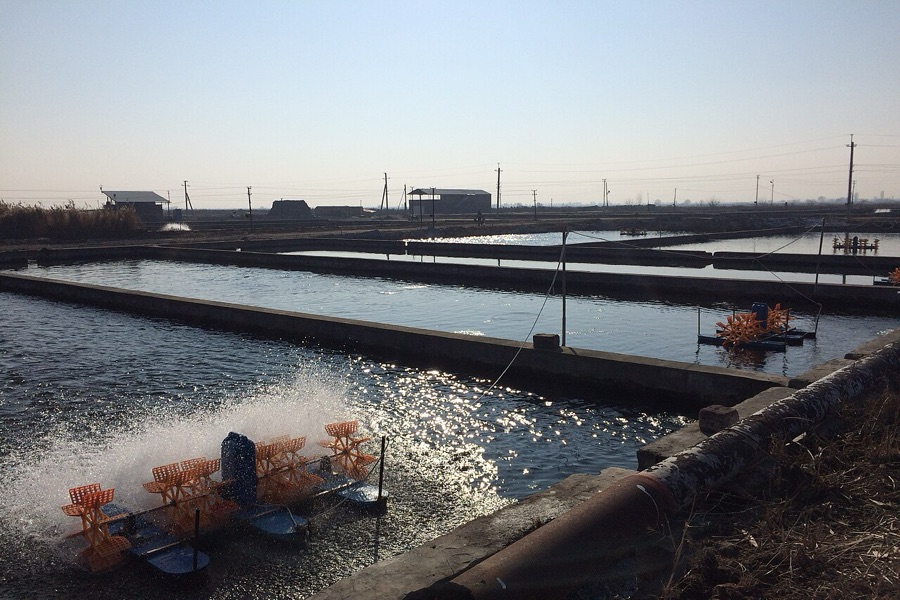
SYMPTOM TRIAGE MATRIX // 01–05
What Problem Are You Dealing With?
Start with the issue you're seeing in your fish, water, feed, or equipment. Find practical checks and possible causes.
SYSTEM DOMAINS // 5 CATEGORIES
Browse by Topic
Explore structured troubleshooting guides and daily management references across five core areas of fish farming.
Fish Health & Behavior
Identify abnormal fish behavior, appetite drops, stress signs, and sudden pond mortality clues.
Water Quality Problems
Check dissolved oxygen, ammonia, nitrite, pH swings, turbidity, and water temperature changes.
Feeding & Growth Issues
Investigate slow growth, uneaten pellets, size variation, feed conversion ratio, and feeding schedules.
Fish Species & Farming
Foundational management for tilapia and catfish farming, pond preparation, and pre-stocking checks.
Equipment & Systems
Check pond aerators, water pumps, tank circulation, flow rates, and RAS filtration performance.
HIGH-PRIORITY FIELD CHECKS
Common Fish Farming Questions
Start with the most frequent pond and tank issues—from surface gasping and low dissolved oxygen to appetite drops, slow growth, and poor water circulation.
Why Do My Farmed Fish Have White Spots?
White spots on fish are a sign, not a diagnosis — from common parasites to harmless breeding tubercles. How fast they spread and how the fish behave narrows it down.
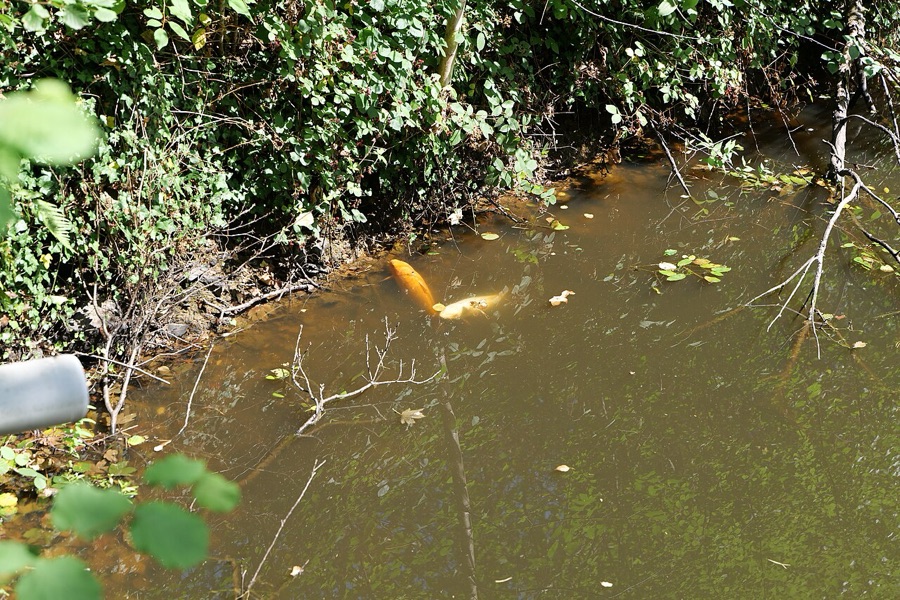
Why Are Fish Gasping at the Water Surface?
Why Are Fish Not Eating in Aquaculture Systems?
Why Are Fish Suddenly Dying in a Pond?
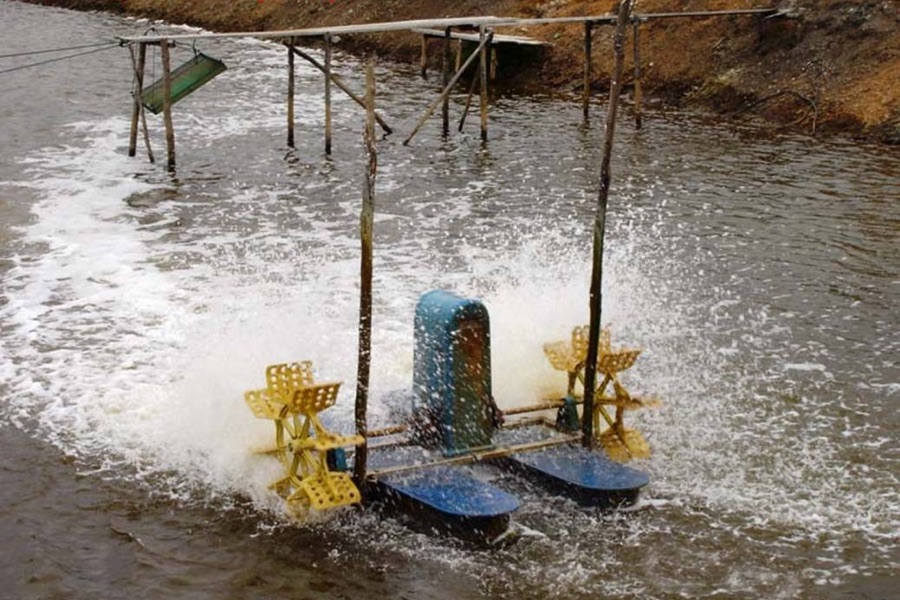
What Causes Low Dissolved Oxygen in Fish Ponds?
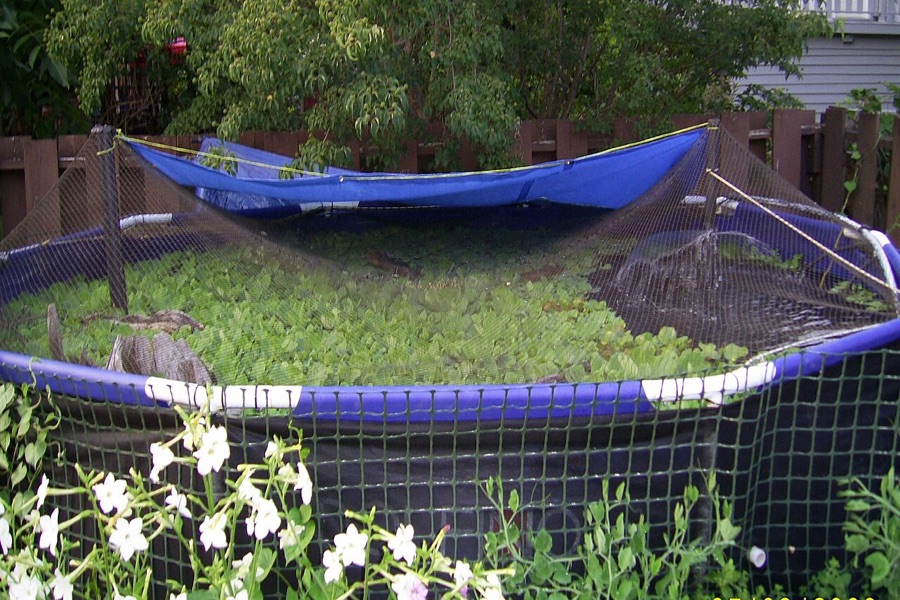
Why Are Farmed Fish Growing Slowly?
FIELD LIBRARY // LATEST PUBLISHED
Practical Guides
Latest published guides covering species care, pond preparation, water quality testing, feed conversion, and equipment checks.
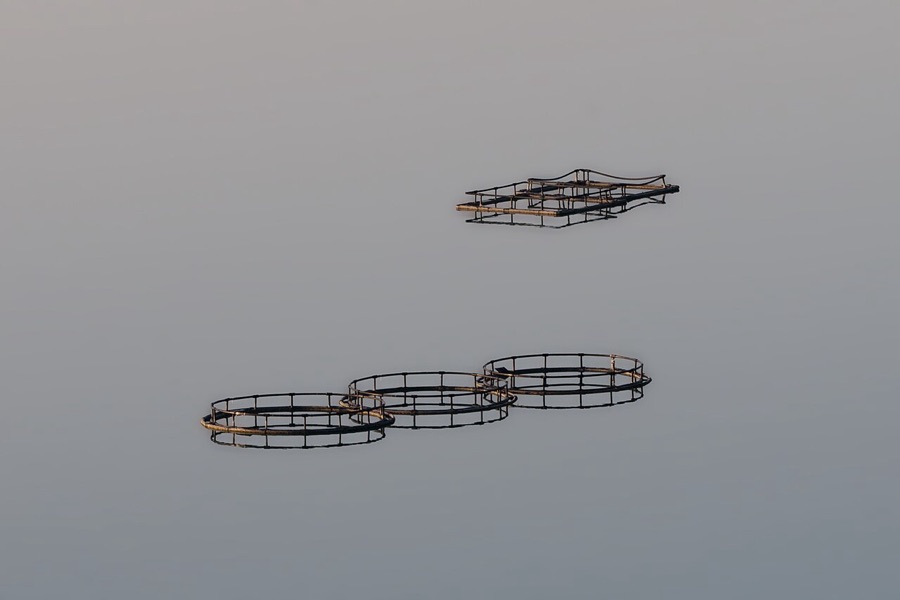
Why Are Fish Dying After a Water Change?
When fish die right after a water change, the new water itself is the suspect — untreated chlorine, a big temperature gap, or a sudden chemistry swing. Prevention is about matching, not volume.
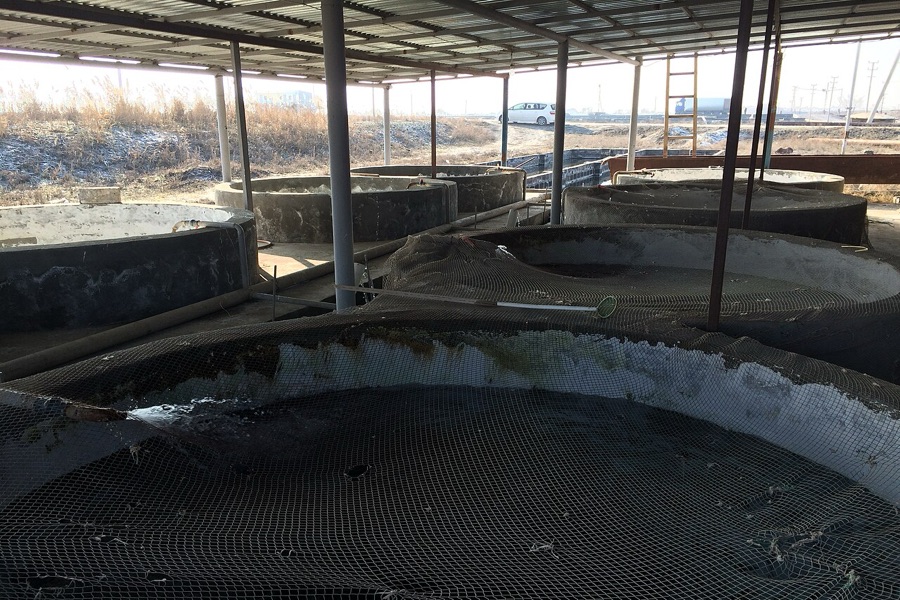
Floating vs Sinking Fish Feed: Which Should I Use?
Floating feed lets you watch fish eat and spot problems early; sinking feed suits bottom feeders and costs less. Most small ponds do better starting with floating.
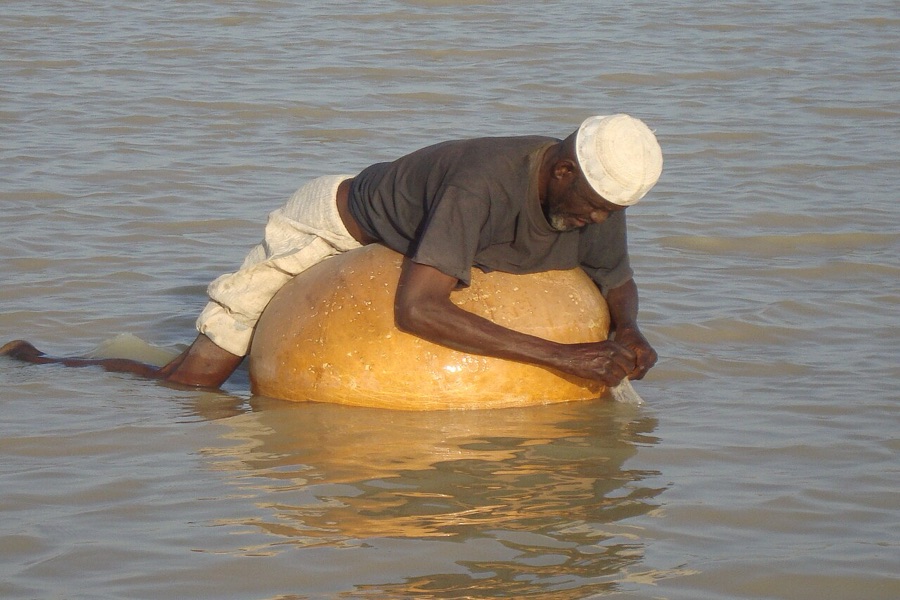
How Many Fish Can I Stock in My Pond?
There is no single stocking number — it depends on whether you feed, whether you aerate, the species, and your own experience. Starting conservative beats rescuing an overstocked pond.
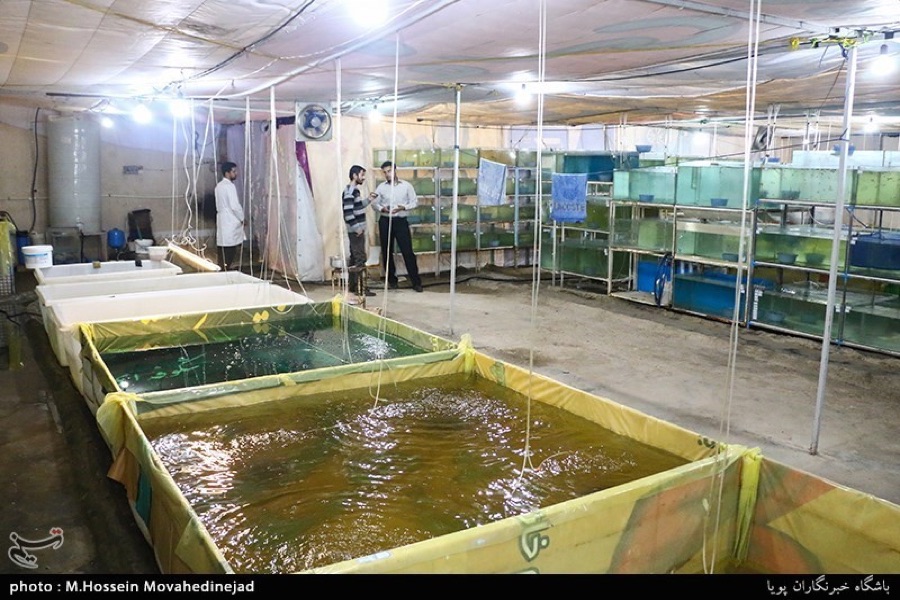
Why Is My Fish Pond Losing Water?
A falling pond level is usually evaporation, a plumbing leak, or seepage through the dam or liner. Marking the drop and watching where the level stabilizes tells you where to look.
Why Are Fish Staying at the Bottom of the Pond?
Fish staying on the pond bottom may be resting, escaping surface disturbance, or reacting to water problems. Feeding response and water tests tell you which.
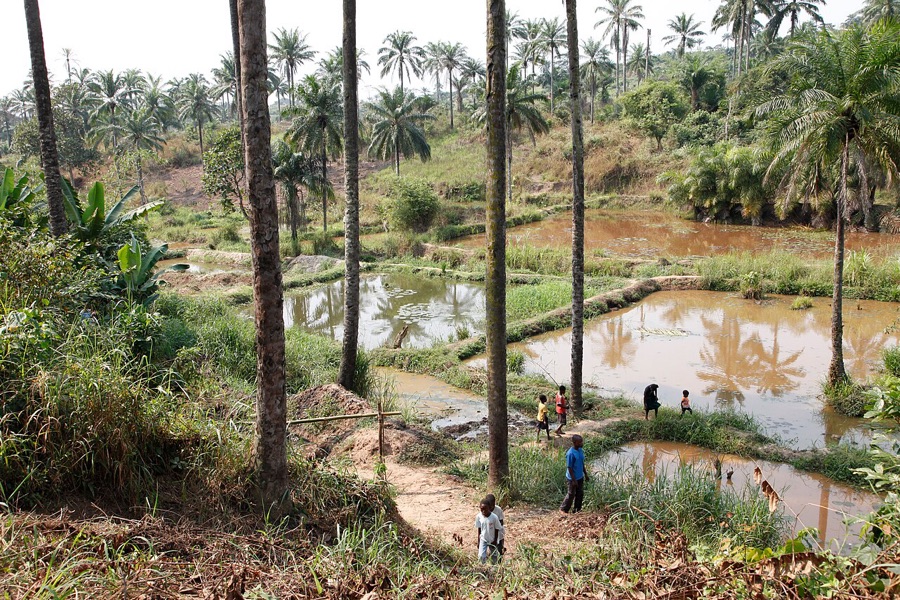
Why Is My Fish Pond Water Foaming?
Pond foam is usually built from dissolved proteins and organic matter churned by wind or aeration. Persistent, heavy foam points to overfeeding, waste buildup, or an algae die-off.
About AquaticAI
AquaticAI provides practical fish farming knowledge and preliminary troubleshooting references for pond, tank, and recirculating aquaculture operators. Our guides are designed to help you understand common causes of fish behavior changes, water quality shifts, feeding slowdowns, and equipment faults, along with the logical order of field checks to perform first.
Important Notice: Content on AquaticAI is for general educational and preliminary troubleshooting reference only. It does not replace the professional judgment of aquaculture extension specialists, certified water quality testing laboratories, licensed aquatic animal veterinarians, or qualified electrical technicians.